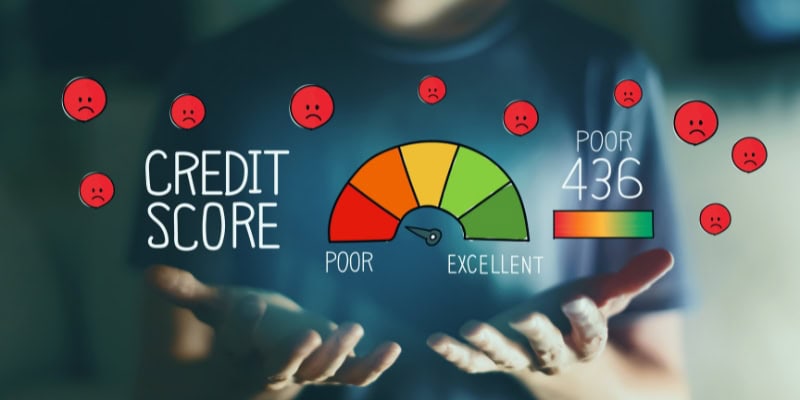

Bad credit can feel like a financial prison—limiting your access to loans, increasing interest rates, and holding you back from opportunities like homeownership or business growth. But here’s the truth: your financial story doesn’t end with a low credit score. You have the power to rewrite it.
To restore bad credit, you don’t need shortcuts or risky tactics. What you need is a clear strategy, discipline, and the right guidance. Whether your credit challenges stem from missed payments, high debt, or financial hardship, recovery is possible—and often faster than you think.
At High Class Consulting, we believe that anyone can move from financial struggle to financial strength with the right system. In this guide, we’ll walk you through proven steps to rebuild your credit, regain confidence, and take control of your financial future.
1. Understand Your Credit Situation First
Before you can fix anything, you need to understand what’s broken. The first step to restore bad credit is reviewing your credit reports in detail.
Your credit report shows:
Payment history
Outstanding debts
Credit utilization
Negative marks (collections, late payments, etc.)
Errors in your report can significantly damage your score. In fact, correcting inaccuracies is one of the fastest ways to improve your credit.
What to Do:
Request your credit reports from major bureaus
Identify incorrect or outdated entries
Highlight high-impact issues (late payments, collections)
Why It Matters:
You can’t fix what you don’t understand. This step gives you a roadmap for your credit restoration journey.
High Class Consulting Tip: We help clients analyze their credit reports and create a customized action plan to restore bad credit efficiently.
2. Dispute Errors and Remove Inaccurate Information
Not all negative items on your credit report are accurate. Some may be outdated, duplicated, or simply wrong.
Disputing these errors can lead to quick improvements because credit bureaus are required to investigate and correct them—typically within 30 days.
Steps to Dispute:
Gather proof (receipts, statements)
File disputes online or by mail
Track progress and follow up
Pro Tip:
Even small errors can significantly impact your score. Fixing them can give you an early win in your journey to restore bad credit.
3. Make On-Time Payments Your Top Priority
Your payment history is the most important factor in your credit score, accounting for about 35% of the total.
Why This Matters:
Late payments stay on your report for years
Consistent payments rebuild trust with lenders
Action Plan:
Set up auto-pay for bills
Use reminders or apps
Always pay at least the minimum due
Even if you’ve made mistakes in the past, building a streak of on-time payments can gradually outweigh negative marks.
High Class Consulting Insight: We guide clients in setting up structured payment systems that ensure consistency and long-term success.
4. Reduce Debt and Lower Your Credit Utilization
Credit utilization—how much of your available credit you’re using—makes up a large portion of your score. Experts recommend keeping it below 30%.
Example:
If your credit limit is $1,000, try to keep your balance below $300.
Strategies to Lower Utilization:
Pay down high balances first
Make multiple payments per month
Avoid maxing out credit cards
Reducing balances can improve your score quickly—sometimes within a single billing cycle.
Bonus Tip:
Debt consolidation can simplify payments and reduce interest, making it easier to manage your finances.
5. Build Positive Credit with Smart Tools
If your credit is severely damaged, you may need to rebuild from the ground up.
Effective Tools:
Secured credit cards
Credit-builder loans
Becoming an authorized user
These tools help create positive payment history, which is essential to restore bad credit.
Using a secured credit card responsibly—keeping balances low and paying on time—can steadily improve your score.
Key Rule:
Consistency beats everything. One positive account can begin shifting your credit profile in the right direction.
6. Develop Long-Term Financial Habits
Restoring credit isn’t just about fixing the past—it’s about building a better future.
Habits to Adopt:
Monitor your credit regularly
Avoid applying for too many new accounts
Keep old accounts open to maintain history
Stick to a monthly budget
Rebuilding credit takes time. Negative marks can remain for years, but their impact decreases as you build positive habits.
Avoid These Mistakes:
Closing old credit accounts
Missing payments again
Relying on quick-fix scams
High Class Consulting Approach: We focus on sustainable strategies—not temporary fixes—so your credit stays strong for life.
Conclusion
Going from poor to powerful financially isn’t about luck—it’s about strategy, discipline, and persistence. When you commit to the process, you can absolutely restore bad credit and reclaim control of your financial future.
Let’s recap the journey:
Understand your credit report
Dispute errors aggressively
Make on-time payments consistently
Reduce debt and manage utilization
Build positive credit accounts
Develop lifelong financial habits
Each step brings you closer to financial independence and confidence.
At High Class Consulting, we specialize in helping individuals transform their credit and their lives. Whether you’re just starting or feeling stuck, our proven systems can guide you every step of the way.